The waiting room was its own kind of torture. Cold fluorescent lights reflected off sterile walls. Chairs lined up like silent judges. And in the center of it all sat me, hands clenched, heart pounding, mind racing through invoices for surgery bills, phone calls I’d promised to return, and the endless “what‑ifs” looping in my head. Someone was in the operating theater, and I felt every second stretch into an eternity.
I’d been pacing since morning. My personal car had broken down on the way to the hospital, and I’d scrambled for a taxi, worried about time. Now, I was running out of patience and courage. Every new beep on my phone felt like a warning, every nurse’s step a countdown to disaster.
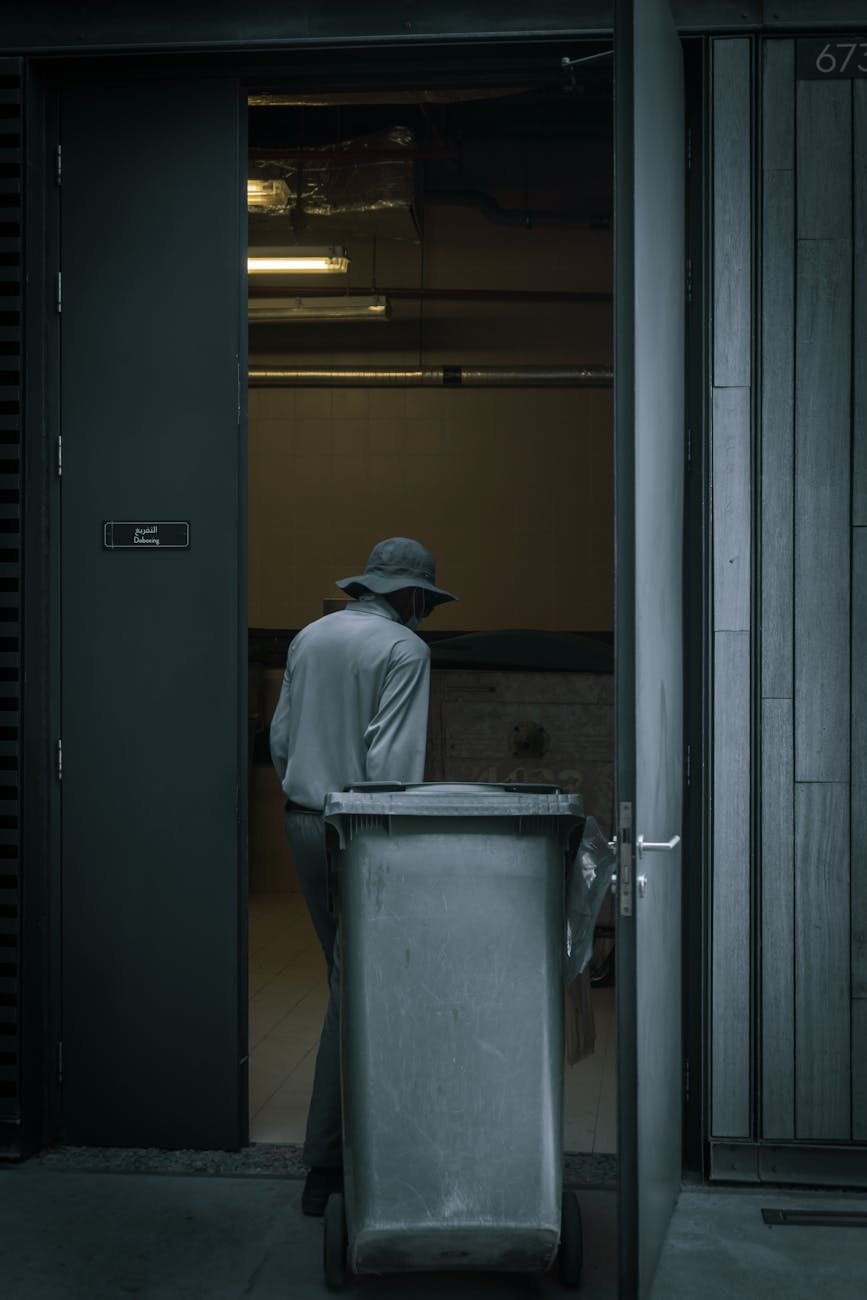
Then I saw him: the janitor. He moved quietly down the corridor, pushing a bucket of soapy water. His uniform was faded, his face lined with a thousand late nights. To me, at first, he was just another fixture, part of the hospital’s background noise. A function, a role, someone to clear up after us.
Until I caught him pausing near the nurse’s station, tilting his head as though listening to invisible music. His eyes were gentle. He looked… present.
I approached, desperate for distraction. “Habari yako?” I blurted, How are you?
He looked surprised, then smiled. “Niko salama,” he said softly. But it wasn’t the words, it was the calm behind them. He didn’t ask how the surgery went or demand why I looked so frazzled. He just asked, “You okay, brother?”
And something inside me unclenched.
“I… I’m not,” I admitted.
He nodded slowly, as if he’d carried these thoughts a thousand times. “I understand,” he said. Then he did something astonishing: he leaned on his mop, looked me in the eye, and said, “But life is more than the problems we solve.”
I wanted to argue, my problems felt infinitely big. Yet his gaze was so steady, so free of judgment, that I found myself breathing deeper.
He told me about nights spent alone after his own daughter was born, how he’d scrub hospital floors to pay for her medicine, how every swipe of his mop was a prayer for her health. He spoke of the dignity in service and how sometimes the smallest acts like scrubbing a floor could feel like hope made visible.
As he spoke, the world shifted. The ticking clock lost its power. My worries didn’t vanish, but they lost their roar. In their place rose a quieter thought: “maybe hope isn’t a cure, but a hand extended in the dark.”
I realized I had been moving through life as if people were only the jobs they held. Doctors to fix my patient, clerks to process my payments, mechanics to mend my car. And here was a janitor, a man without a license or a paycheck large enough to quiet our fears, offering something more vital than money or medicine; Presence.
By the end of that encounter, my soul felt lighter. The next time my phone buzzed, it was with a nurse’s update: the surgery was successful. Relief washed through me like rain on parched earth. I turned to find him gone, just the mop and the bucket left behind as testament.
I walked out of the hospital not only as a relieved person but as someone reborn in his simple kindness. On that day, I stopped seeing people as their roles. I saw them as whole beings; capable of healing without tools, of giving without payment, of offering therapy without a license.
Sometimes, the heart finds hope where we least expect it, not in grand gestures, but in the quiet presence of another human being. And sometimes, a janitor can be the most powerful healer of all.

 WAZA
WAZA 